
ChatGPT On The Principles
- Jim Zimmerman

- Oct 1, 2024
- 5 min read
ChatGPT Elaborates on The Guiding Principles of Conscious Progress
Introduction by Jim Zimmerman: I asked ChatGPT ver. o1 preview (using advanced reasoning) to expand on each of the four Guiding Principles. Each Principle is presented followed by the ChatGPT response.
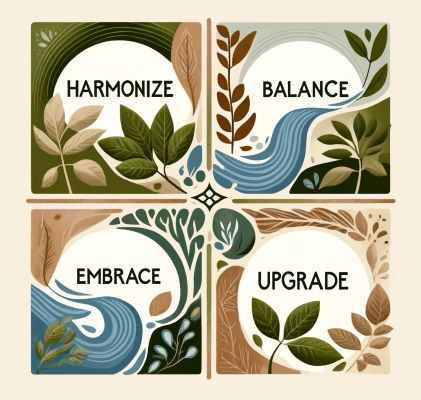
Harmonize: We must harmonize human activity with the natural world, through economic and social systems, that are broadly renewable, regenerative, and restorative.
GPT-o1:
Harmonizing human activity with the natural world is crucial for achieving sustainable and conscious progress. This means redesigning our economic and social systems to work in tandem with ecological principles, ensuring that our actions support the health of the planet. By adopting practices that are broadly renewable, we can meet our present needs without compromising the ability of future generations to meet theirs.
Embracing regenerative approaches involves actively restoring and revitalizing natural ecosystems that have been degraded by human activity. This includes implementing sustainable agriculture that replenishes soil fertility, protecting biodiversity, and restoring forests and waterways. Regenerative practices not only heal the environment but also enhance ecosystem services that humans rely on, such as clean air, water, and fertile soil.
Creating restorative economic and social systems requires a shift in mindset from exploitation to stewardship. Economies should prioritize circular models that minimize waste by reusing and recycling resources. Social systems must promote equity and community well-being, recognizing that social justice is intertwined with environmental health. Policies and business practices should incentivize sustainability, making it profitable to protect and enhance natural resources.
By aligning human endeavors with the rhythms of the natural world, we build a resilient foundation for future prosperity. This harmonious relationship reduces environmental risks, mitigates the impacts of climate change, and fosters a deep respect for life in all its forms. Ultimately, harmonizing with nature ensures that progress is not achieved at the planet's expense but in a way that sustains and celebrates the interconnectedness of all life.
Balance: We must strike an intentional balance between the overall health of the whole and the wealth of the individual - shifting from excess and greed to shared prosperity and well-being.
GTP-o1:
Striking an intentional balance between the overall health of society and the wealth of the individual is crucial for conscious progress. This guiding principle advocates for a shift from a culture of excess and greed toward one of shared prosperity and well-being. It recognizes that the pursuit of individual wealth should not undermine the collective good but instead contribute to a healthier, more equitable society.
Achieving this balance requires rethinking our economic systems and societal values.
We must move away from models that prioritize limitless accumulation and concentrate wealth in the hands of a few. Instead, we should promote policies that encourage fair distribution of resources, access to quality education, healthcare, and opportunities for all individuals to succeed. This includes progressive taxation, living wages, and social safety nets that protect the most vulnerable.
Moreover, fostering a sense of community and interconnectedness can help align individual ambitions with societal needs. By emphasizing collaboration over competition, we create environments where personal success contributes to the common good. Encouraging corporate social responsibility and ethical business practices ensures that enterprises consider their impact on employees, communities, and the environment alongside profitability.
In essence, balancing the health of the whole with individual wealth leads to a more sustainable and harmonious society. When individuals thrive in a system that supports equitable growth and shared prosperity, it reduces social disparities and fosters collective well-being. This shift not only benefits society at large but also creates a stable foundation for individuals to pursue their aspirations within a supportive and thriving community.
Embrace: We must embrace exponential technologies, like artificial intelligence and bio-engineering, thoughtfully and responsibly, employing careful planning and strategic wisdom to ensure they yield truly beneficial outcomes for all people and our planet.
GPT-o1:
Embracing exponential technologies like artificial intelligence (AI) and bio-engineering is essential for conscious progress, but it must be done thoughtfully and responsibly. These technologies have the potential to revolutionize healthcare, agriculture, energy, and more, offering solutions to some of the world's most pressing problems. However, without careful planning and strategic wisdom, they could also exacerbate inequalities, infringe on privacy, or lead to unintended ethical consequences.
Thoughtful integration of these technologies requires a comprehensive understanding of their potential impacts on society and the environment. This involves engaging in multidisciplinary dialogues that include technologists, ethicists, policymakers, and the public to assess risks and benefits. Establishing robust ethical frameworks and regulations can guide the development and application of AI and bio-engineering, ensuring they align with shared values and respect for human rights.
Responsible deployment also means prioritizing transparency and accountability. For AI, this could involve developing explainable algorithms and addressing biases in data to prevent discrimination. In bio-engineering, it entails rigorous testing and oversight to ensure safety and efficacy. By implementing these measures, we can mitigate risks while maximizing the positive outcomes of technological advancements.
Ultimately, embracing exponential technologies with thoughtful consideration ensures they yield truly beneficial outcomes for all people and our planet. It aligns technological progress with the principles of conscious progress—advancing not just for advancement's sake, but to enhance well-being, promote equity, and foster a sustainable future for humanity and the natural world.
Upgrade: We must upgrade and modernize the mechanisms of progress—the economy, the monetary system, and the government—to align with bold, 21st-century ideals and aspirations, opening the way to extraordinary outcomes.
GPT-o1:
Upgrading and modernizing the mechanisms of progress—the economy, the monetary system, and the government—is crucial for realizing the bold ideals and aspirations of the 21st century. In the economic realm, this means fostering sustainable and inclusive growth by embracing innovative models like the circular economy, which minimizes waste and makes the most of resources. It also involves supporting industries that prioritize environmental stewardship and social responsibility, thereby aligning economic activities with the broader goals of society.
For the monetary system, modernization entails integrating digital technologies to enhance financial inclusion and efficiency. This could involve the adoption of digital currencies regulated by central banks to ensure stability while promoting accessibility. Leveraging blockchain technology can increase transparency and security in financial transactions, reducing fraud and building trust in the financial system. Such advancements can democratize finance, giving more people and businesses the opportunity to participate fully in the global economy.
When it comes to government, upgrading means embracing transparency, accountability, and citizen engagement. Governments can harness technology to improve public services through e-governance platforms that make processes more efficient and accessible. Encouraging participatory decision-making empowers citizens, fostering a sense of shared responsibility and trust in institutions. Modernizing legal and regulatory frameworks to keep pace with technological and social changes ensures that governance supports innovation while protecting the rights and well-being of all citizens.
By aligning these foundational systems with contemporary ideals, we open the way to extraordinary outcomes such as reduced inequality, enhanced quality of life, and sustainable environmental practices. This holistic modernization is not just an upgrade of systems but a transformation of how we envision progress—prioritizing human flourishing, ecological balance, and the collective advancement of society. Through conscious effort and collaborative action, we can create mechanisms of progress that are resilient, equitable, and equipped to meet the challenges and opportunities of our time.

I love the insights here. Buckminster Fuller. What a man.